

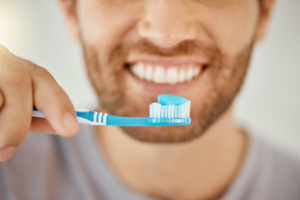
You’ve probably brushed twice a day and flossed daily for as long as you can remember—which means it might seem odd when your dentist finds a cavity in one of your teeth during a checkup! However, the truth is that brushing and flossing consistently is only part of the equation, and how you clean your teeth matters just as much as whether you do it or not. With that in mind, here’s a closer look at some of the most common at-home teeth-cleaning mistakes, along with what you can do to fix them.
1. Using the Wrong Type of Toothbrush
You might assume that a firmer toothbrush leads to a better clean, but not necessarily. Hard-bristled brushes can wear down tooth enamel and irritate gum tissue over time. Most dentists generally recommend using a soft-bristled toothbrush, which is much gentler on the teeth while still effective for removing plaque. You should also take a close look at how often you’re replacing your brush; every 3 months is a good rule of thumb, or sooner if you’ve been sick.
2. Not Brushing for Long Enough
Most people greatly underestimate how long they’re actually brushing their teeth. In fact, studies show that the average person brushes for only about 45 to 70 seconds, even though the American Dental Association recommends brushing for a full two minutes, twice a day. This ensures you have enough time to thoroughly clean all the surfaces of every tooth and along the gumline. If you’re not sure whether you’re going for long enough, try setting a timer or using an electric toothbrush with a built-in timer.
3. Brushing Too Soon After Eating
It may seem good to brush your teeth right after a meal, but timing matters quite a bit. When you eat or drink, especially acidic foods and beverages like oranges, lemons, soda, or coffee, the enamel on your teeth temporarily softens. Brushing too soon can actually harm that softened enamel rather than protect it! Dental professionals generally recommend waiting at least 30 minutes after eating before you brush.
4. Rinsing Immediately After Brushing
This may seem surprising, but rinsing your mouth with water immediately after brushing is not ideal. This washes away the fluoride from your toothpaste before it has a chance to do its job! Instead, try simply spitting out the excess toothpaste rather than rinsing, since this will allow the fluoride to continue coating and protecting your teeth.
The bottom line is, building better habits at home is one of the best things you can do for your oral health, in addition to maintaining your routine checkups and cleanings. Don’t fall into the habit of making any of these mistakes—but know that if you do, they can be easily corrected!
About the Practice
Our team here at University Dental Group has proudly served the dental needs of patients and families in Worcester and the surrounding areas for several years. We offer a wide range of preventive, restorative, and cosmetic services, as well as emergency dentistry—whatever your smile needs, all under one roof. If you have any questions about the blog or need to schedule an appointment for yourself or a loved one, you can call or reach out online for more information. Telephone: (508) 753-1911.