Dental emergencies are not as common as other types of emergencies, which is just one of the reasons why patients don’t know what to do if and when they occur. Unfortunately, many also aren’t aware of what constitutes a dental emergency. At University Dental Group, we want to help you get your emergency treated as soon as possible, whether it’s a severe toothache or a broken or knocked-out tooth. Our emergency dentists in Worcester are prepared to answer the call if you have an oral infection caused by tooth decay or experience a bad fall while playing sports. Give us a call to get started!
Why Choose University Dental Group for Emergency Dentistry?
In-Network With Most Major PPOs
Early Hours Every Day – Doors Open at 8 a.m.
VA-Approved for Veterans in Need of Emergency Care
What to Do in a Dental Emergency
Call Our Office: If you ever find yourself experiencing a dental emergency, the very first thing you should do is call our office! After you’ve explained what happened over the phone, we’ll be able to give you guidance on how to go about handling the situation while you wait for your appointment.
Schedule & Attend Your Appointment: When you arrive for your visit, we can quickly inspect your mouth and figure out the best way to treat your issue with a customized treatment plan.
Get the Urgent Care You Need – Once we’ve reviewed our findings with you, our top priority becomes treating your situation, addressing your discomfort, and getting your smile back into tip-top shape.
The Most Common Dental Emergencies
It’s simply not possible to anticipate dental emergencies, and they often have a knack for occurring when it’s least convenient. In fact, roughly one in every six Americans will experience a dental emergency annually, meaning that they’re also more common than you may realize! That said, if you’re one of those unlucky few, it’s in your best interest to seek treatment promptly; time is of the essence when it comes to some of these common dental emergencies:
Is My Toothache a Dental Emergency? Potentially, especially if you’re experiencing pain when biting down, you have a pimple-like bump on your gums, or there is dark discoloration on the tooth in question. In other words, if you are experiencing any abnormal dental symptoms, don’t ignore them – schedule an appointment with our Worcester emergency dentist.
How You Should Handle a Toothache: Scheduling an appointment is a great first step. Until you come in for an exam, take active measures to alleviate your discomfort and protect your tooth from harm, like eating soft foods and using a cold compress for 10 minutes at a time.
How We Treat Toothaches: If the decay is relatively small, we can use a tooth-colored filling to restore your tooth. If it’s more significant, however, then a dental crown or extraction may be necessary.
Is a Chipped Tooth a Dental Emergency? Although you may not need same-day treatment, you do need to schedule an appointment. After all, enamel cannot regenerate on its own, and the chipped tooth can develop an infection if it isn’t treated.
How You Should Handle a Chipped Tooth: There are two steps: rinsing your mouth with clean, room-temperature water and covering the tooth with some sugar-free gum or dental wax.
How We Treat Chipped Teeth: One of the most common treatments for chipped teeth is cosmetic dental bonding. This tooth-colored resin is shaped seamlessly over the damaged enamel for beautiful and long-lasting results.
Is a Cracked Tooth a Dental Emergency? Absolutely! In addition to the risk of an infection developing and the tooth breaking further, this dental injury can be quite painful. So, don’t hesitate to get in touch with our team to schedule an appointment.
How You Should Handle a Cracked Tooth: Your top priority is preventing the tooth from sustaining further damage, which is why we don’t recommend touching it or eating on that side of your mouth. If you’re in pain, then you can also take an OTC pain reliever.
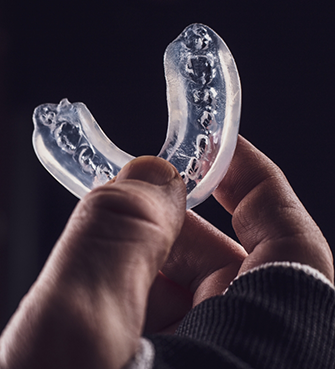
How We Treat Cracked Teeth: Cracked teeth can often be restored with a dental crown. If the injury occurred from persistent teeth grinding or a sports-related injury, then we can also provide you with a nightguard or sportsguard.
Are Very Sensitive Teeth a Dental Emergency? Some patients struggle with dental sensitivity even though their teeth and gums are healthy. What you need to look out for is abnormal symptoms, like pain when biting down, sensitivity stemming from one tooth, or the sensation worsening. If that happens, you need to call our Worcester dental office ASAP.
How You Should Handle Very Sensitive Teeth: Fortunately, there are a few things you can do from home to alleviate and prevent uncomfortable sensitivity. That includes taking an OTC pain medication (as directed), avoiding crunchy, spicy, acidic, and sugary foods, and sticking to room-temperature water.
How We Treat Very Sensitive Teeth: The treatment we recommend depends entirely on what we find during your exam. If the sensitivity is stemming from untreated tooth decay, then a tooth-colored filling or dental crown may be the answer. If, on the other hand, it’s a problem with your gums, then gum disease treatment may be necessary.
Is My Knocked-Out Tooth a Dental Emergency? Not only is a knocked-out tooth a dental emergency, but it’s a dental emergency that needs to be addressed within the hour. That’s why it’s so important that you call our team right away. In addition to scheduling an exam with one of our highly trained dentists, we will guide you through what to do in the meantime.
How You Should Handle a Knocked-Out Tooth: We already mentioned one to-do: calling us to schedule an appointment. We also recommend doing your best to find the tooth. If you are able to locate it, then you need to do what you can to preserve the root surface cells. In some cases, this can be accomplished by putting the tooth back in its socket. If it doesn’t slide back into place easily, take the second approach: submerging it in a clean container filled with milk.
How We Treat Knocked-Out Teeth: When you arrive at our office, we will alleviate any pain you’re feeling and determine if saving your tooth is a possibility. If it isn’t – whether it’s because the tooth was lost or it was badly damaged – we will instead fill the new gap in your smile with a dental bridge or implant.
Is a Lost Filling or Crown a Dental Emergency? Both a lost filling and a lost dental crown are dental emergencies. The best thing to do is give us a call ASAP so we can schedule a time for you to come in for the necessary restorative care and give you specific instructions on how to protect your tooth in the meantime.
How You Should Handle a Lost Filling or Crown: If you have your restoration, do your best to keep it safe. It’s also important to do what you can to protect your tooth from harm since it’s weak without the restoration in place. That includes not chewing on that side of your mouth and avoiding unhealthy dental habits, like chewing on ice or smoking.
How We Treat Lost Fillings or Crowns: In most cases, a lost filling is replaced with a new one, which is a quick and painless process. As for dental crowns, there are two options: re-cementing it back in place if it’s in good condition or having an entirely new one made.
Is My Broken Denture a Dental Emergency? It is a dental emergency, but the urgency of your visit depends largely on how severe the damage is. If there is a very small break, then coming in within the next day or two may be a possibility. Of course, if it has shattered into multiple pieces, a same-day appointment is necessary.
How You Should Handle a Broken Denture: After calling us to share what happened and schedule an appointment, place your denture (or the pieces of your denture) somewhere safe. In the meantime, continue to implement a solid oral hygiene regimen and stick to soft foods.
How We Treat Broken Dentures: The good news is that there are times when we can repair a broken denture at our office. Other times, the only way to effectively restore the look, health, and function of your smile is to have a new denture made.
Is a Loose Permanent Tooth a Dental Emergency? Absolutely. After all, we want to intervene ASAP to try and save the tooth from falling out entirely! So, don’t hesitate to contact our Worcester dental team right away.
How You Should Handle Loose Permanent Teeth: In addition to getting an emergency exam on the calendar, rinse your mouth periodically with room-temperature water to keep the area clean. Do NOT touch/wiggle the tooth with your finger or chew on that side of your mouth.
How We Treat Loose Permanent Teeth: Our first priority in this situation is to save your tooth. If that’s simply not an option, then we will do the next best thing: carefully remove it before putting a dental bridge or implant in its place.
Is an Injury to the Gums, Lips, or Tongue a Dental Emergency? In most cases, soft tissue injuries can be handled at home and do not necessitate a visit to our office. That said, you’re more than welcome to reach out if you have questions or simply don’t know what to do.
How You Should Handle an Injury to the Gums, Lips, or Tongue: We recommend going to the sink and rinsing your mouth with clean, cool water so you can see exactly where the cut is. Once you locate it, use a clean, damp washcloth to apply pressure to the area (you can also use gauze, if you have it). The bleeding should stop within 10 minutes.
How We Treat Injuries to the Gums, Lips, or Tongue: As we mentioned above, you’re always welcome to call us if you’re not sure what to do. We do want to mention here that if you apply pressure to the cut, but the bleeding persists for more than 10 minutes, you should head to the ER.
Is Jaw Pain a Dental Emergency? If the sensation seems to be getting worse or it’s persisted for more than 24 hours, you shouldn’t hesitate to schedule an exam with our Worcester emergency dentist.
How You Should Handle Jaw Pain: Leading up to your appointment, use a cold compress for 10 minutes at a time, avoid crunchy, hard, and sticky foods, and take OTC pain medication as directed.
How We Treat Jaw Pain: How we intervene depends entirely on what we find during the exam. If the root of the problem is chronic teeth grinding, for example, then a custom nightguard may be the solution.
Is there something stuck between your teeth? Instead of reaching for a toothpick or your tweezers, rinse your mouth thoroughly with warm saltwater. Then, floss carefully around the area to dislodge the debris.
Understanding the Cost of Emergency Dentistry
The cost of your dental emergency treatment will vary depending on the type of emergency you’re having as well as the severity. Regardless, the last thing you should do is put off your treatment and allow your condition to worsen. Of course, our dental team will be as accommodating as possible when it comes to both the treatment itself as well as navigating the cost. If you want to learn more about the price of emergency dentistry, then keep reading!
Why the Cost of Every Dental Emergency Is Different
We touched on the fact that the type of dental injury and the severity of it will impact the cost of your treatment. For example, if you only need antibiotics to treat your oral infection rather than a full-blown root canal treatment, it will be less expensive. Similarly, saving a cracked tooth with a dental crown will be more affordable than removing it and putting a dental bridge or implant in its place. As always, our dental team near Northborough will provide you with an estimate of the cost beforehand, and we will share all of the financial solutions available to you as well.
Does Dental Insurance Cover Dental Emergencies?
Good news: dental insurance providers often cover a portion of the cost! Once we have a better idea of the treatment needed, we’ll be able to review the details of your plan, including if there are any waiting periods or annual maximums. From there, we can provide you with an estimate of your out-of-pocket expenses, answer any questions you have, and file the claims on your behalf. Our goal is always the same: to make navigating the financial side of your treatment as stress-free as possible.
Other Options for Making Dental Emergencies Affordable
If you’re currently uninsured, you might be wondering, “How can I make the cost of emergency dentistry more affordable?” At University Dental Group, we offer our patients two solutions: flexible financing through CareCredit and our periodic specials. While CareCredit allows you to space-out your payments into smaller, monthly chunks, our promotions help lower your out-of-pocket expenses upfront. If you are interested in learning more about either of these options, just ask – we’re here to help!
Remember, Taking Care Of Your Smile Can Save You Money
In short, if you take good care of your smile, you’re significantly less likely to experience a dental emergency. As a result, good oral hygiene best practices benefit your wallet too! If you aren’t already, make sure to implement a solid at-home oral hygiene routine, which should include brushing, flossing, and rinsing with mouthwash consistently. Furthermore, make sure to visit us every six months for a checkup and cleaning as well as avoid unhealthy dental habits entirely, like smoking and biting your nails. Lastly, wear a mouthguard if you chronically grind your teeth or participate in sports.
Keys to Preventing Dental Emergencies
Dental emergencies are often painful, and they can be inconvenient and stressful to handle. While accidents can’t be 100% avoided, there are proactive steps you can take to avoid a dental injury. Here are a few of our recommendations!
Routine checkups and cleanings at our dental office are essential. In addition to preventing tooth decay and gum disease, these periodic visits allow us to catch oral health concerns in the early stages. As a result, we can intervene with the appropriate restorative treatment before it becomes a dental emergency, like a cracked, loose, or chipped tooth.
Maintain Good Oral Hygiene At Home
Maintaining good oral hygiene at home is also important – this is what prevents plaque and tartar build-up on a daily basis! A solid dental care regimen starts with a soft-bristled toothbrush and toothpaste with fluoride. With these tools, you should brush for a full two minutes each morning and evening. Additionally, floss daily and rinse with mouthwash regularly to prevent tooth decay and gum disease from developing.
Stick to a Nutritious Diet
In short, what you do and don’t eat matters. For example, if you don’t eat nutrient-dense foods regularly, then your teeth may not get the nutrients they need to stay healthy and strong. Similarly, if you eat crunchy and hard foods often, like popcorn and peanut brittle, then you may crack or chip a tooth. The best thing to do is eat a well-balanced diet that’s filled with oatmeal, yogurt, vegetables, fruit, and other smile-friendly foods.
Wear a Mouthguard
Of course, those who participate in contact sports should wear a mouthguard at all times. That way, you drastically reduce your chances of one of your teeth being knocked-out or shoved out of place. Additionally, those who suffer from chronic teeth grinding need to wear a nightguard to prevent enamel erosion or chipping and cracking of teeth. Fortunately, our team can provide you with a custom-made one, which is far superior to the mouthguards available at your local sporting goods store.
Use Tools to Open Packages, Not Your Teeth
Although your teeth are strong and sharp, they aren’t tools. So, you should not use them to open packages, bottle caps, and the like. Although it may be inconvenient to take the time to locate the right tool, it’s a way better option than risking a dental emergency by using your teeth. Note: to prevent a dental emergency, you also should avoid chewing on ice or inedible objects, like pencils and pen caps.
No Insurance? No Worries!
Simply Savings Dental Plan
If you’re uninsured, you can receive dental implants and all of the services your smile needs, as well as additional discounts, by signing up for our Simply Savings Dental Plan!
The culprit of chronic bad breath is often diet. So, if you haven’t already, try removing pungent foods from your breakfast, lunch, and dinner (i.e., pickled onions, fish, garlic). If the odor persists, then the root of the problem may be an untreated oral health issue, like a cavity. In that case, scheduling an appointment with us should be a top priority. When you come in, we can conduct a comprehensive oral exam, provide the necessary restorative care, and give you helpful tips on how to keep your smile happy and healthy from home.
Do chipped teeth heal on their own?
Although enamel is incredible in many ways, it cannot regenerate. We recommend coming in for an exam (even if the chip is minor) so we can make sure the tooth isn’t at risk of breaking further. At this time, we can also review your treatment options, like veneers, so the look of your smile isn’t compromised for long.
How long can a dental restoration be temporarily attached?
Thanks to the bonding agents we use, many patients feel like their temporary restoration is extremely secure. That’s good – we want it to last until your final one arrives! Any longer than that, however, and the restoration won’t remain stable or provide your tooth with the necessary protection. Plus, there are certain things that you can’t do with a temporary restoration, like chewing on that side of your mouth, which is another reason to have it replaced as soon as possible.
Will my toothache go away on its own?
Unfortunately, you can’t “wait out” a toothache. That’s because the more time that passes, the worse the root of the problem will be. As your dental team, our goal at University Dental Group is to intervene with the necessary restorative or cosmetic care while the tooth can still be saved. Of course, if that’s no longer an option, don’t worry – we will make the extraction process as comfortable as possible, and we will restore the look, health, and function of your smile with a dental bridge, denture, or dental implant too.
Should I visit the emergency room first for dental emergencies?
ER visits should be reserved for potentially life-threatening situations, like if you’re having trouble breathing, you’re bleeding uncontrollably, or your jaw is fractured. For toothaches, damaged restorations, knocked-out teeth, and similar dental injuries, you should instead call our dental office near Grafton. In addition to scheduling an emergency appointment, we will provide helpful instructions over the phone on how to handle your dental injury until you arrive.